
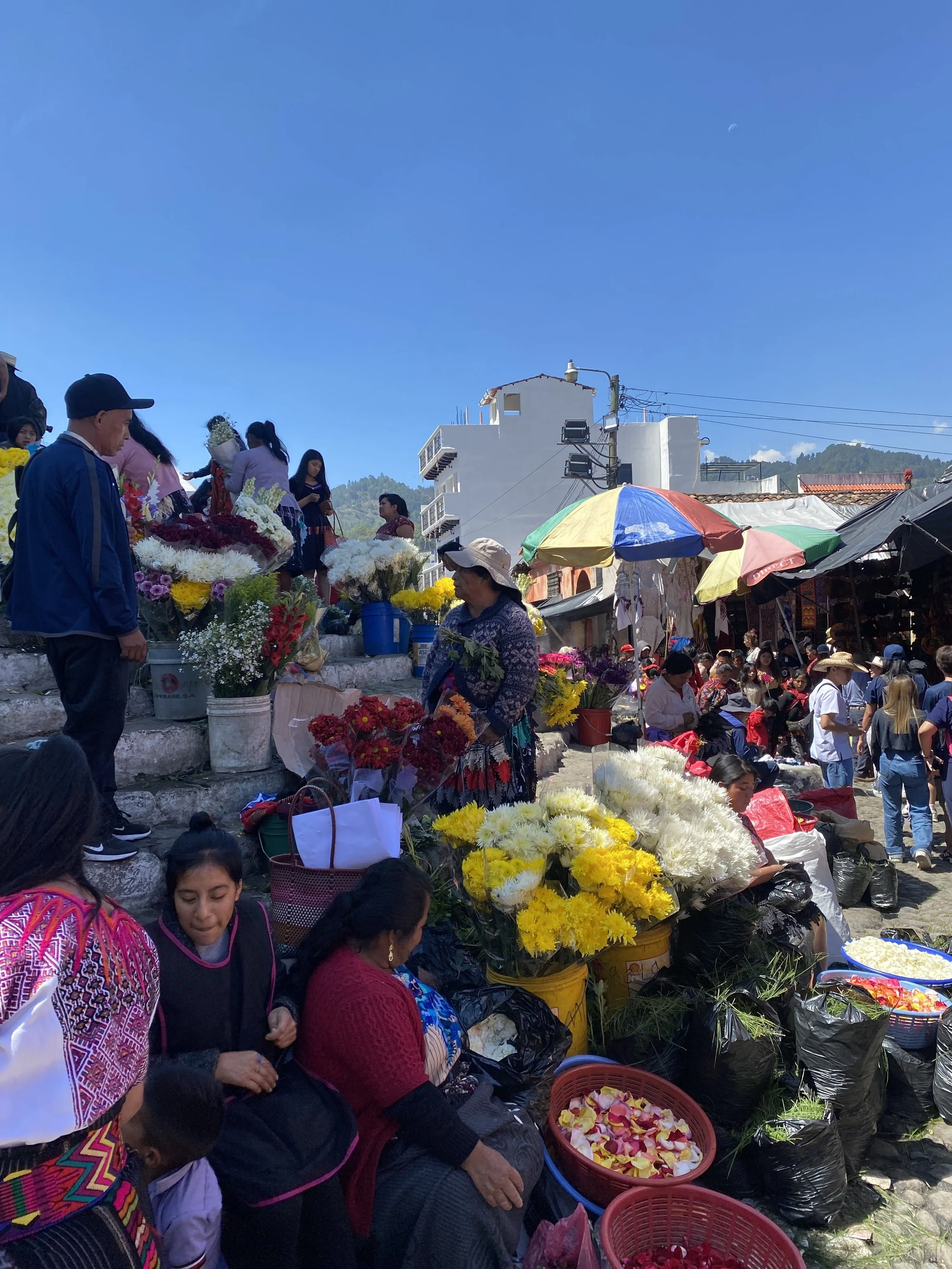
Chichicastenango
Guide
Chichicastenango, located in Quiché, Guatemala, is an epicenter of living K'iche' Maya culture with a rich history that blends the pre-Hispanic era, the Spanish conquest, and religious tradition. Historically known as Chuwilá, the site served as a refuge for the Kaqchikel and later the K'iche', becoming a key ceremonial center where the sacred book Popol Vuh was discovered.
Logistics
Transportation to Chichicastenango is included as a shared roundtrip shuttle service operated by Itamati travel agency. The shuttle is shared with other travelers not connected to GRACIA.
Pick up takes place directly in front of La Casita between 7:00 AM and 8:00 AM. The exact pick up time may vary depending on other travelers and pick up locations scheduled before arriving at La Casita.
Please be fully ready to leave whenever the shuttle arrives. We ask that you either wait outside or keep the front door open while remaining attentive nearby (please do not leave the house unattended/open while inside your room).
If you miss the shuttle, GRACIA is unfortunately unable to arrange an additional pick up or replacement transportation. If there is an issue caused by the transportation agency or shuttle service itself, the agency will coordinate an alternative arrangement.
If the shuttle has not arrived by 8:00 AM, please send a message in the group chat so we can contact the agency for an update.
A bit of history
-
It comes from the Nahuatl word Tzitzicastenanco, meaning "place of nettles" or "nettle enclosure," a name given by the Tlaxcalan allies of the Spanish.
-
After the burning of Gumarcaaj (Utatlán) by the conquistadors in 1524, the population settled in the current location. The Spanish established the town of Santo Tomás Chichicastenango.
-
In the 18th century, Friar Francisco Ximénez found the Popol Vuh manuscript in the Church of Santo Tomás. The Popol Vuh is the most important chronicle of the K'iche' Maya worldview.
-
Today, it is known for its traditional market (Thursdays and Sundays) and for the religious syncretism in the Church of Santo Tomás, where Mayan and Catholic rites coexist.
Our favorite stops
Can’t miss:
Iglesia Santo Tomás and hotel Santo Tomás (great breakfast spot)
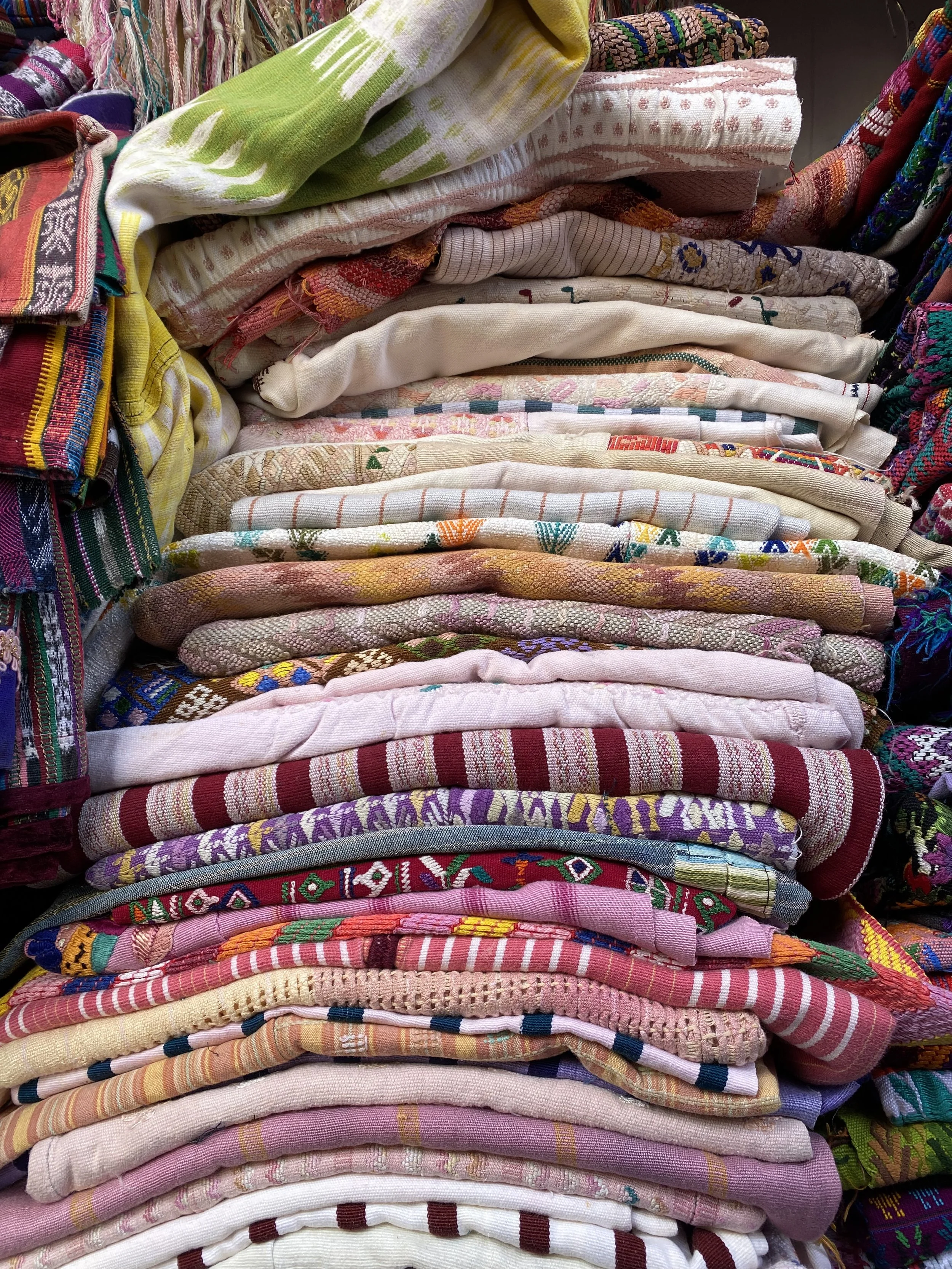
Vintage Section in Market
The market is chaotic and filled with beautiful textiles, sadly most of the newest textiles are machine made or machine embroidered. This section is a hidden corner with the most amazing second-hand textiles.
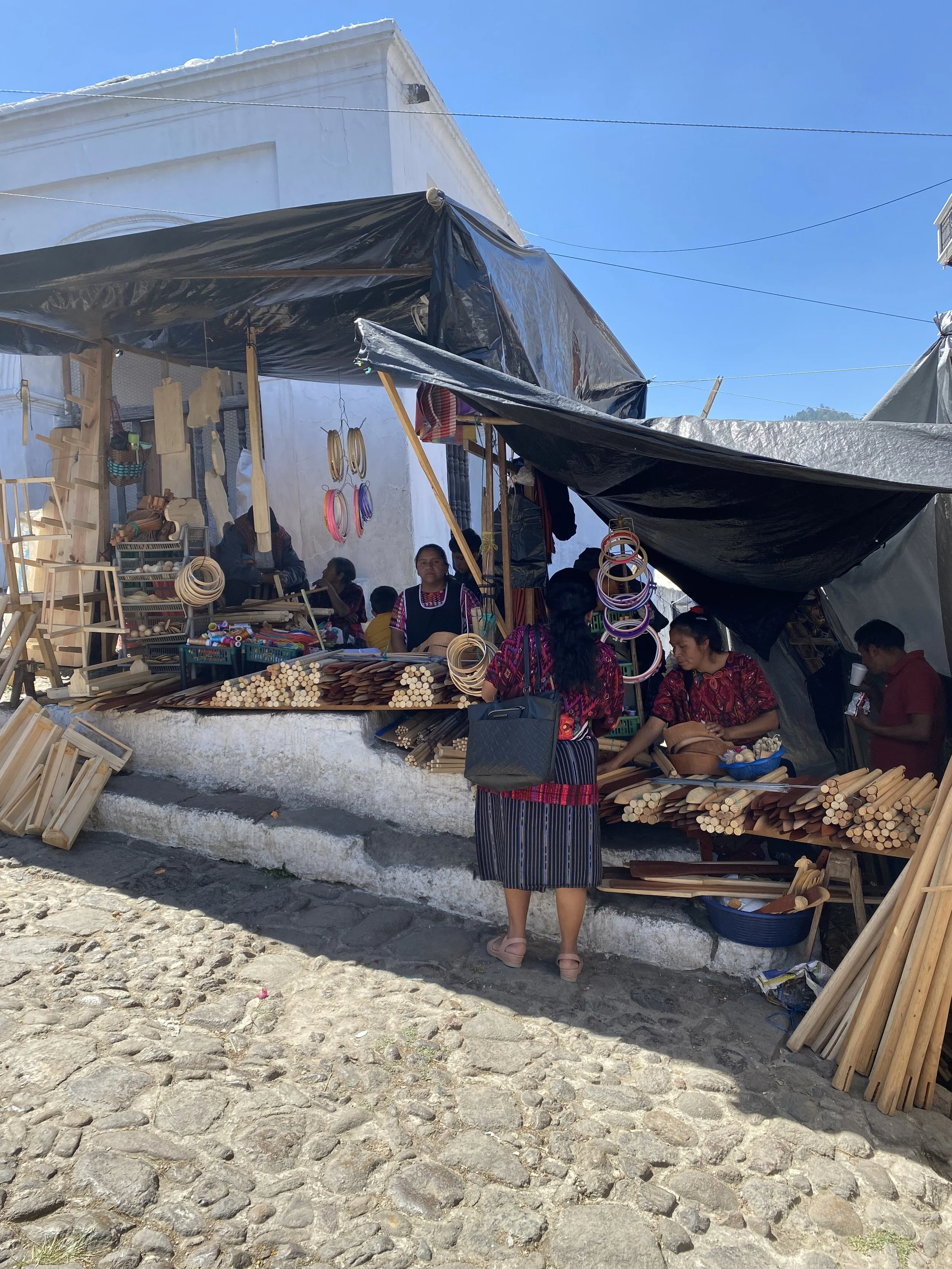
Back-strap Weaving Materials
Right outside on the side of Iglesia Santo Tomás there is this stall filled with hand-carved wooden equipment for back-strap weaving.
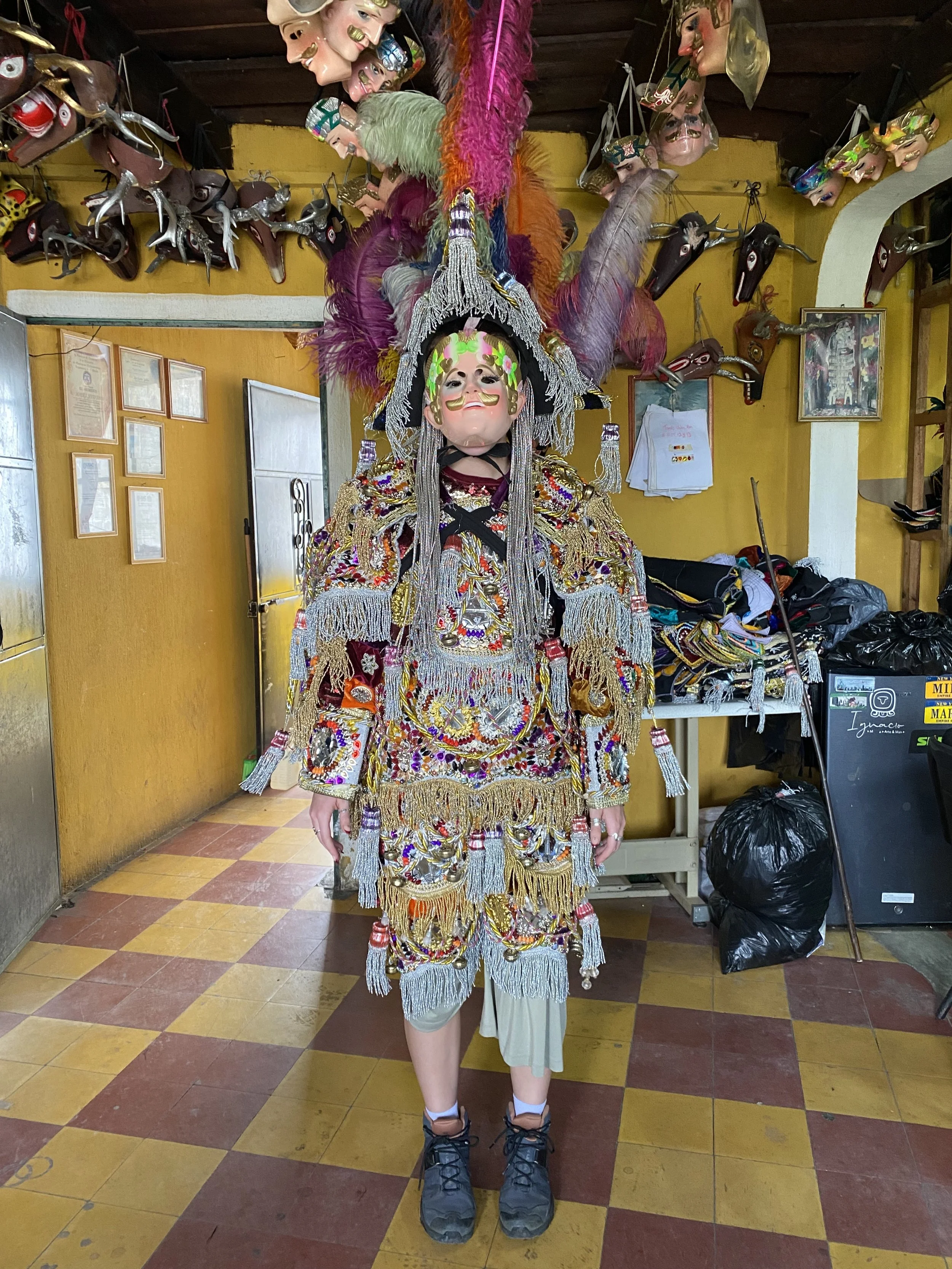
Moreria Santo Tomás (inside, second floor)
Chichicastenango is known for re-enacting different acts from their history. This moreria makes and sells masks but on the second floor you can also see their detailed beading work for the costumes.
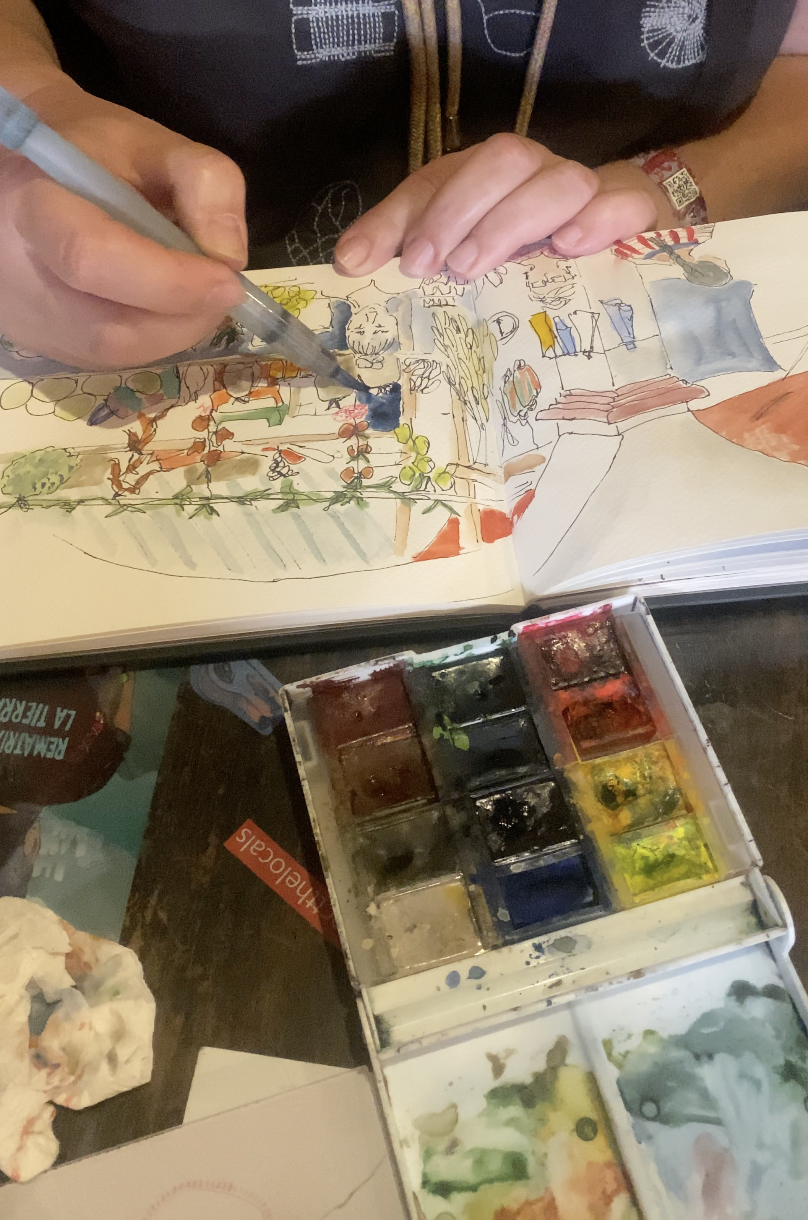
Villa Cofrades Coffee Shop + Art
Great spot to take a pause, grab a refreshing drink and check out their great book collection, with a curator as the founder, this place keeps the art community in the center of the market.
Don’t miss the Cemetery (cementerio),
depending on your time it is worth the walk there.